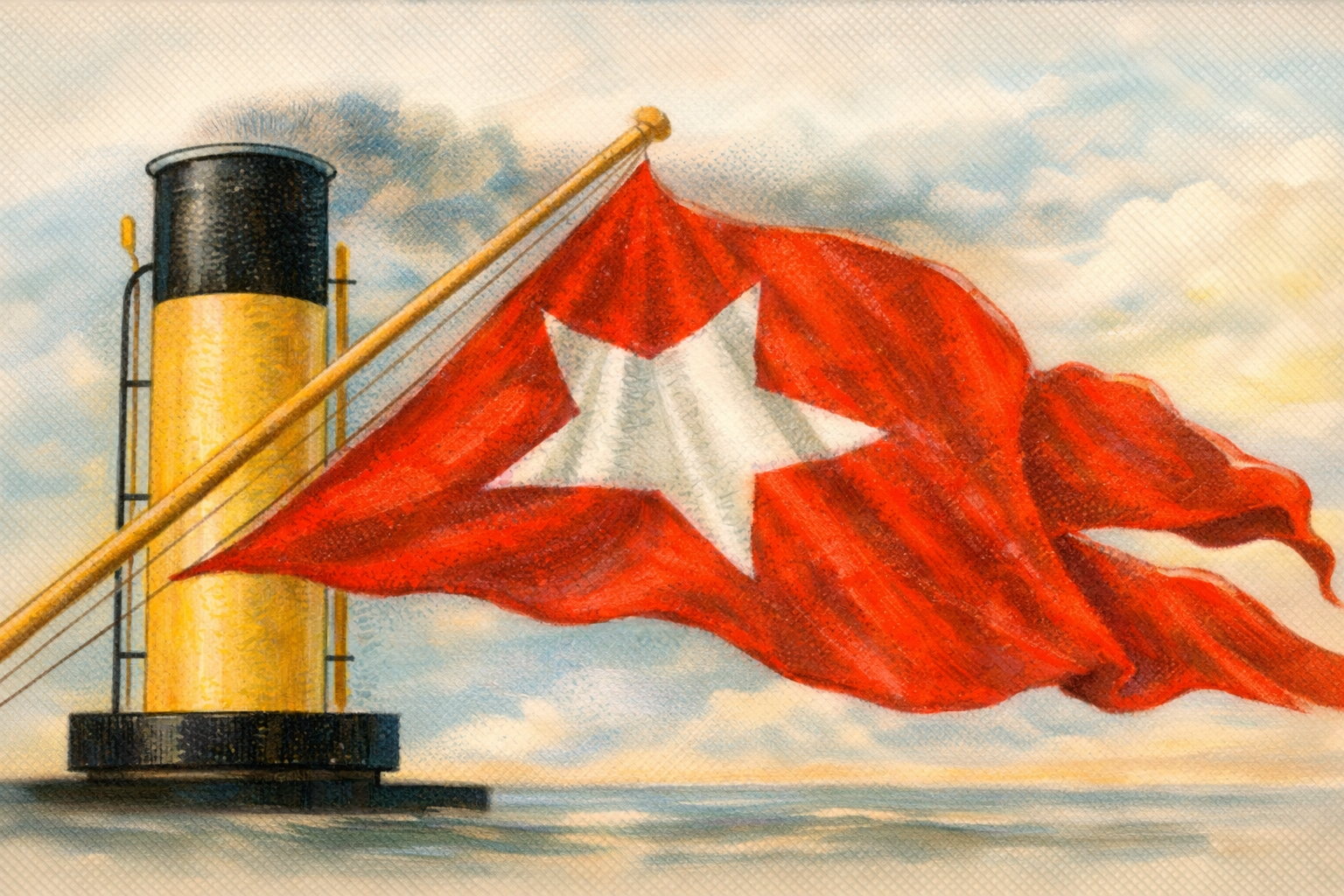
Cunard and White Star: Different Atlantic Strategies
Cunard and White Star are often treated as direct opposites, but their histories reveal shifting strategies in speed, comfort, scale, finance, fleet planning, and government relationships.
Basic answer
Were Cunard and White Star simply speed versus luxury?
No. That shorthand captures part of some periods, but it is too neat for the full history. Both companies cared about comfort, prestige, reliability, and commercial performance. Both operated fleets rather than single flagships. Their strategies also changed over time.
Cunard had a long association with government mail service and, in the early twentieth century, built Lusitania and Mauretania with strong emphasis on speed and national competition. White Star increasingly emphasized very large ships and passenger comfort in the Olympic-class era, but it had also operated fast ships earlier and depended heavily on migrant traffic and broader fleet economics.
Different pressures
What shaped their choices?
Cunard
Mail-service traditions, government relationships, express competition, and national prestige all influenced major fleet decisions.
White Star
Harland & Wolff ties, fleet scale, passenger comfort, migrant traffic, and the economics of large ships shaped its approach.
Both
Neither company could ignore fares, cargo, seasonal demand, safety, route reliability, or the need to keep an entire fleet productive.
After 1914
War losses, regulation, aging fleets, and the Depression altered the comparison so dramatically that prewar labels become even less useful.
Case studies
Ships that make the contrast visible
Selected sources
Where this comparison comes from
Continue the series