Migrant Traffic and Tourist Traffic
The classic liner economy depended heavily on migration before the 1920s. When immigration restrictions reduced that market, companies reconfigured ships and marketing toward tourists, middle-class travelers, and cruising.
Basic answer
How did liners change when migrants stopped filling steerage?
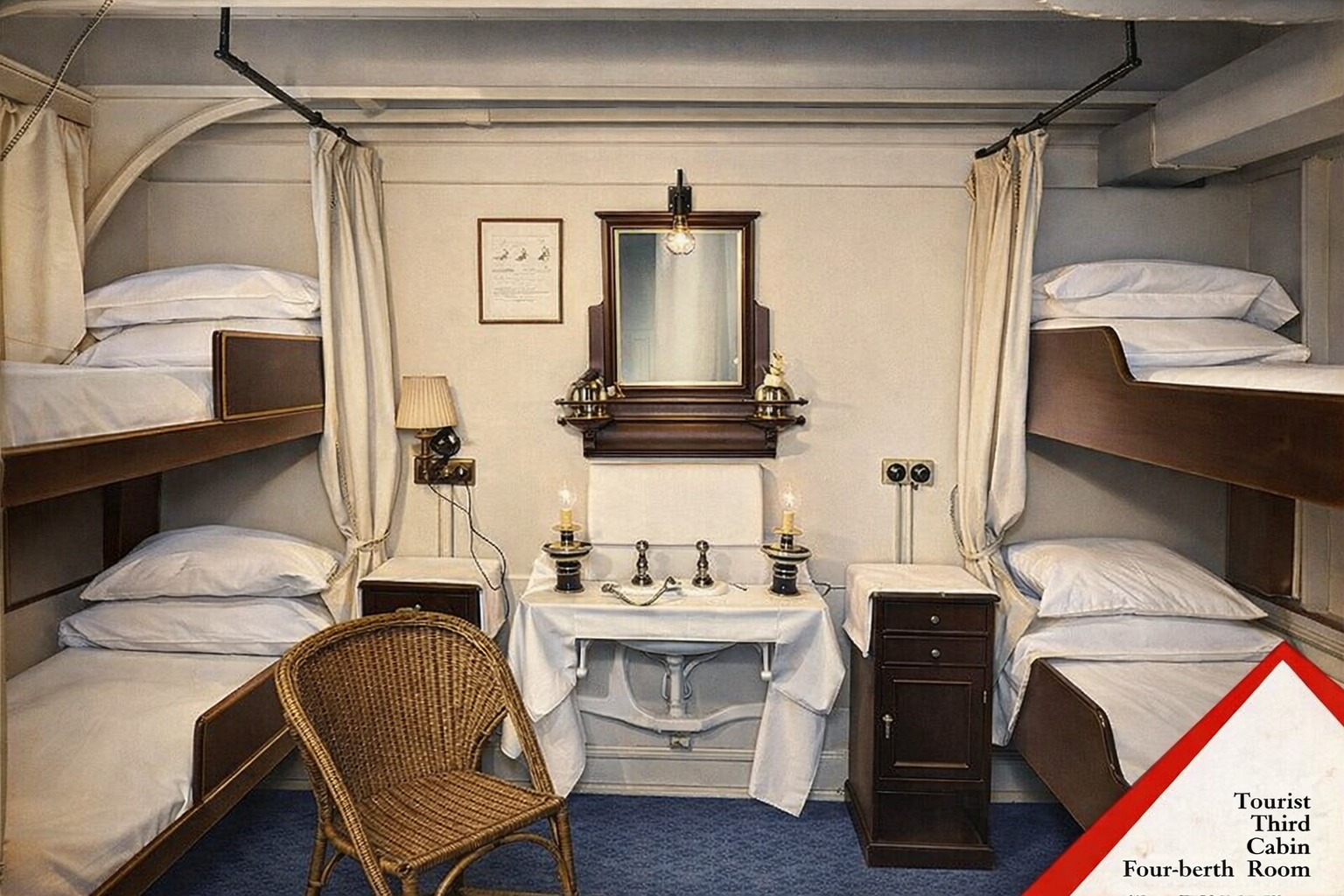
For decades, lower-fare migrant traffic was a central source of liner revenue. U.S. immigration restrictions in the 1920s sharply reduced that flow. Shipping companies responded by converting former steerage spaces into more comfortable lower-cost cabins and marketing voyages to tourists and middle-class travelers.
Passenger economics
Two very different reasons to buy a ticket
Migrant traffic
Price, capacity, route access, family networks, and immigration policy could matter more than elaborate shipboard leisure.
Tourist traffic
Comfort, cuisine, entertainment, cabin quality, public rooms, and the pleasure of the voyage became stronger selling points.
Accommodation change
Steerage evolved into third class and then tourist-class products aimed at a broader and more socially mobile market.
Cruising
When scheduled crossings alone could not fill ships, companies increasingly used liners for leisure cruises during off-season periods.
Case studies
Ships across the market transition
Selected sources
Where this comparison comes from
Continue the series