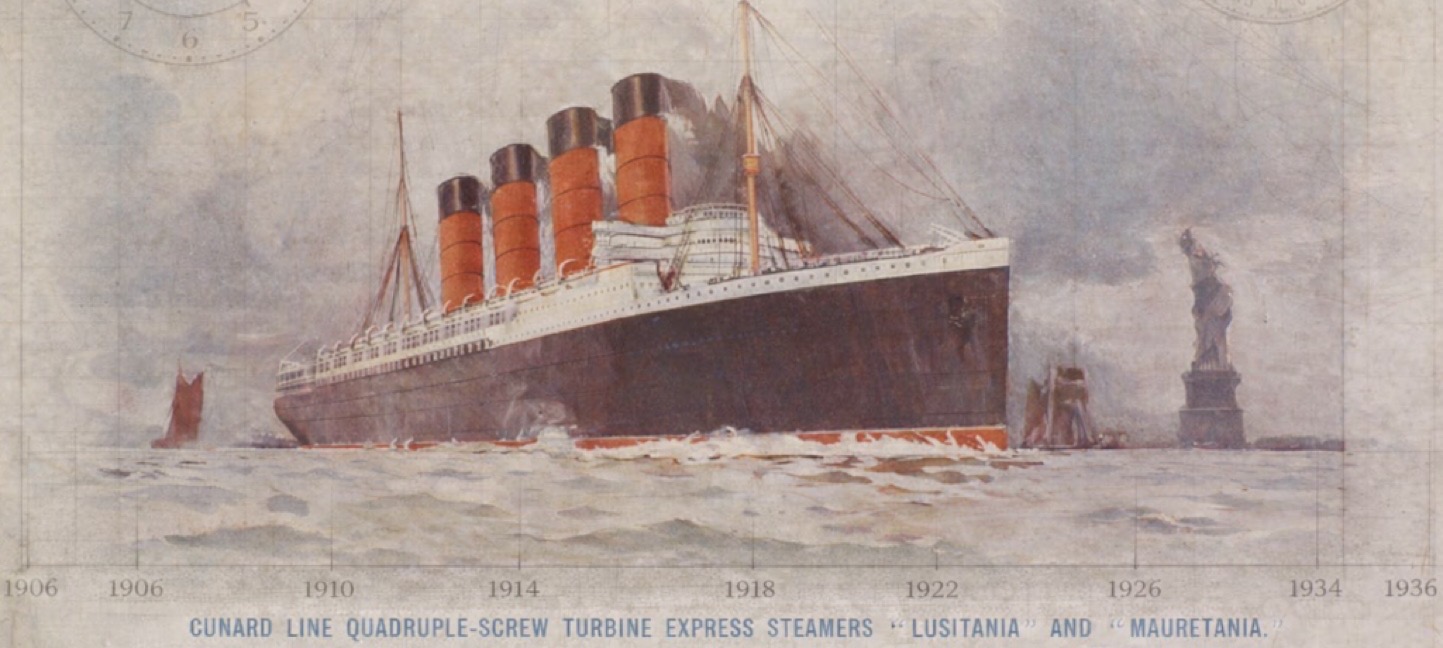
Prewar and Postwar Ocean Liner Travel
Ocean liner travel before 1914 and after 1945 belonged to different worlds. Migration, class structure, technology, regulation, tourism, national prestige, and competition with aviation all changed the passenger business.
Basic answer
Was postwar liner travel just a modernized version of the prewar system?
No. The ship remained a scheduled passenger vessel, but the market around it changed dramatically. Before the First World War, mass migration was one of the central foundations of Atlantic passenger shipping. After the Second World War, migration continued, but tourism, business travel, government subsidy, national prestige, and eventually competition from commercial aviation shaped the market differently.
What changed
Two different passenger economies
Migration
Before 1914, migration supplied enormous volumes of lower-fare traffic. Later immigration restrictions reduced that foundation.
Class
Steerage evolved into third class and later tourist class, reflecting changing markets and social expectations.
Technology
Oil firing, improved communications, modern navigation, air conditioning, and postwar materials changed ship operation and comfort.
Aviation
By the 1960s, jets offered something no liner could match: hours across the Atlantic instead of days.
Marketing changes
From transportation necessity to travel experience
The Smithsonian notes that from the 1920s onward, lines increasingly sold the pleasure of the voyage itself. That logic became even more important after commercial aviation expanded. Postwar advertisements emphasized leisure, relaxation, service, and the journey as an experience rather than simply the fastest way to reach another continent.
Case studies
Ships from two different Atlantic worlds
Selected sources
Where this comparison comes from
Continue the series