First Class and Third Class on Ocean Liners
First class and third class were not simply nicer and cheaper versions of the same journey. They were different passenger products, with different spaces, service levels, social expectations, and commercial roles.
Basic answer
How different were first class and third class?
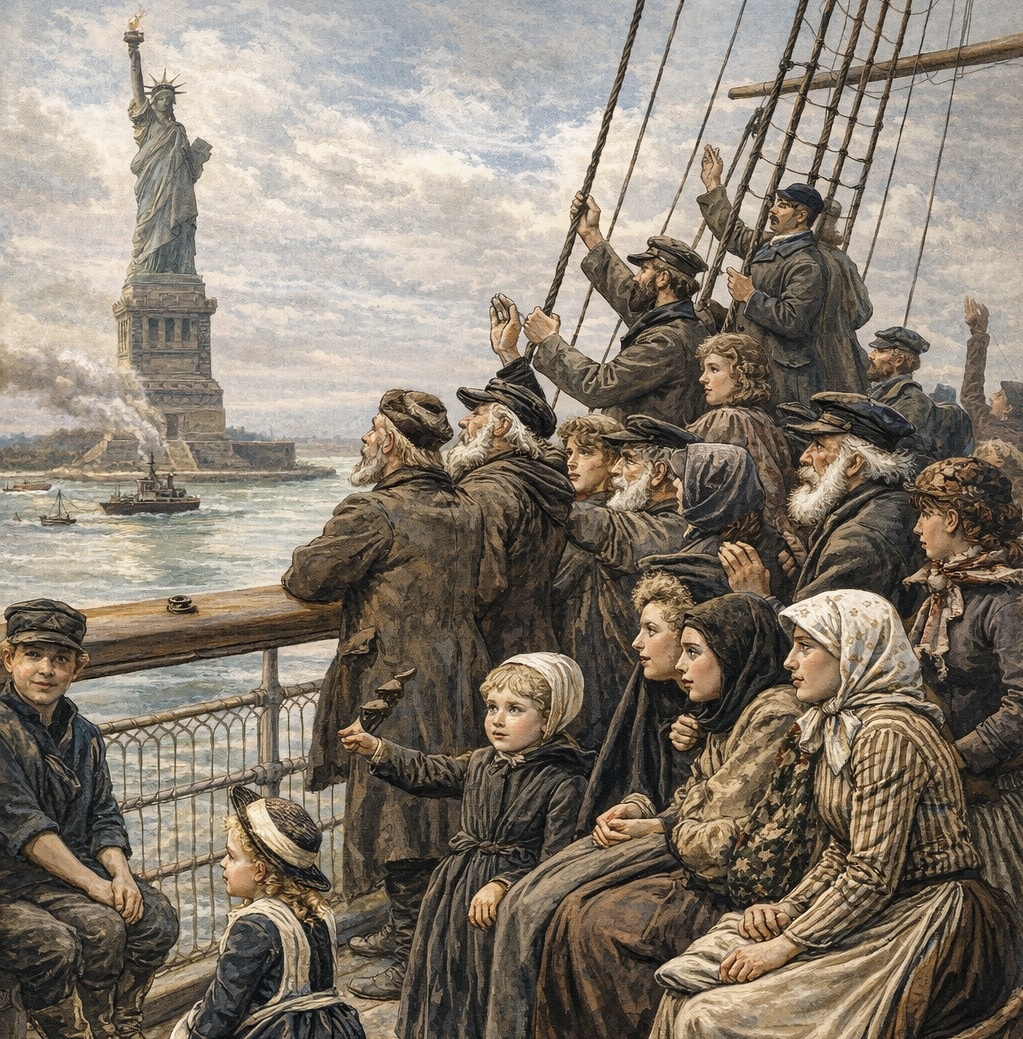
Very different, though the gap changed over time and from ship to ship. First class was designed for wealthy travelers who paid for privacy, space, elaborate dining, lounges, and individualized service. Third class or steerage historically served migrants and lower-fare travelers with denser accommodation, simpler food, fewer public spaces, and much less privacy.
The Smithsonian notes that ocean liners relied heavily on immigrant traffic into the 1920s even while luxury first-class spaces generated much of their public image. Rich and poor crossed only a few decks apart, but their experience of the same ship could be fundamentally different.
Different products
What changed between classes?
Space
Cabin size, berth density, bathrooms, deck access, and the number of public rooms differed sharply.
Food and service
Meal variety, table service, steward attention, linens, tableware, and dining-room design reflected fare level.
Purpose of travel
First-class travelers were more likely to be tourists, business travelers, or wealthy families; third class was deeply tied to migration.
Regulation
Steerage conditions were shaped not only by company choice but by evolving public-health, immigration, and passenger-protection laws.
Change over time
Third class did not remain “steerage” forever
By the early twentieth century, many lines had already improved lower-fare accommodations. In the 1920s, U.S. immigration restrictions reduced the mass migrant trade. The Smithsonian notes that companies increasingly converted steerage spaces into lower-cost cabins aimed at tourists and middle-class travelers, helping create the later tourist-class market.
Case studies
One hull, very different journeys
Selected sources
Where this comparison comes from
Continue the series