Coal arrived before the ship did
Ports needed coal depots, barges, rail connections, cranes, chutes, labor, and enough stock to serve scheduled departures.
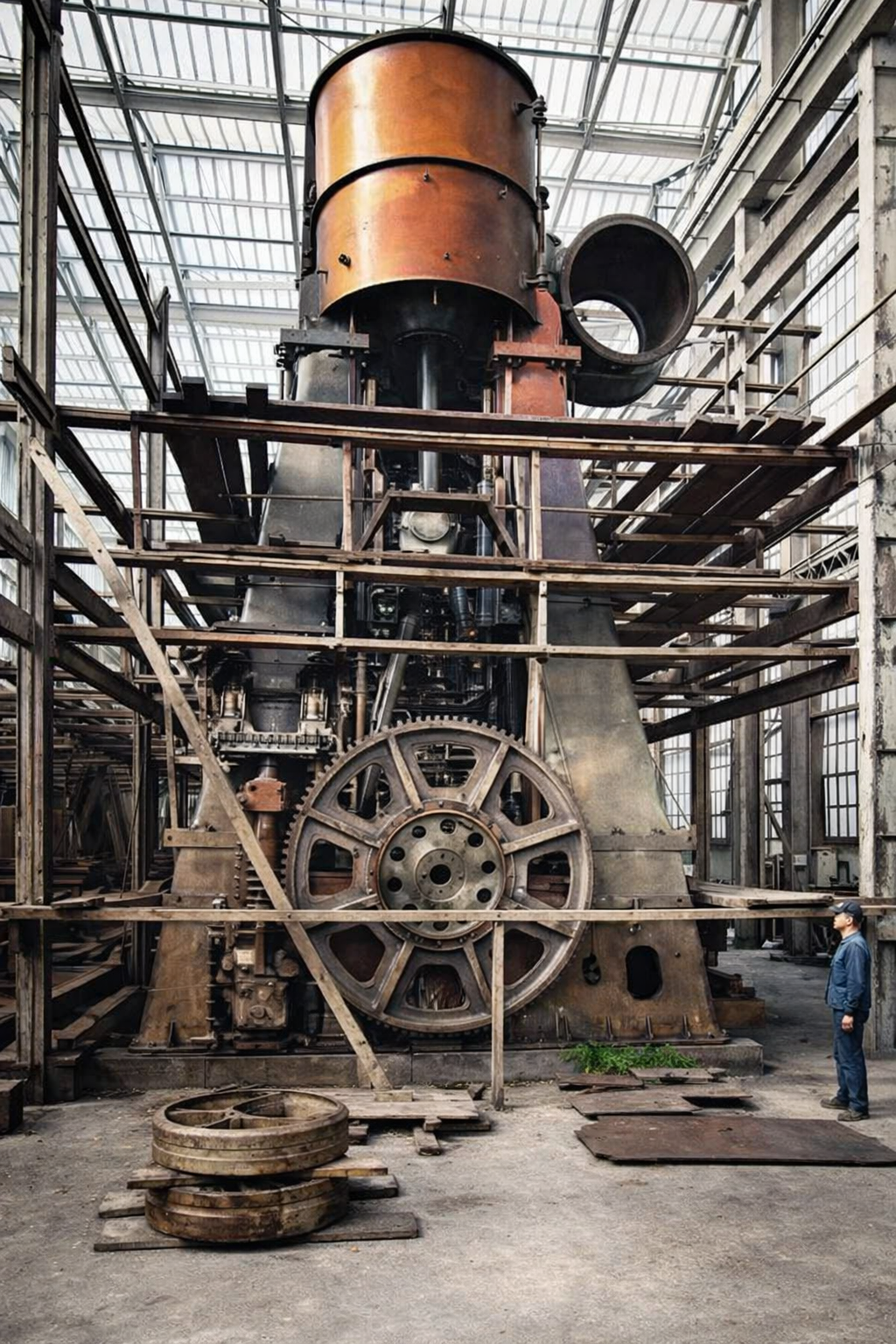
A scheduled liner depended on an enormous fuel chain. Coal bunkering—and later oil fueling—shaped port calls, labor, machinery, range, cleanliness, and the economics of every crossing.
Basic answer
Steam propulsion turned fuel into schedule. In the coal-burning era, thousands of tons of coal might have to move from shore storage into bunkers aboard a large liner. Once at sea, that fuel still had to be moved internally and fed to boilers by a large engineering workforce.
Oil fuel changed that process dramatically. Pumping liquid fuel reduced some of the dirt, handling labor, storage problems, and physical effort associated with coal, while introducing a different set of tanks, pipes, pumps, and safety procedures.
Coal era
Ports needed coal depots, barges, rail connections, cranes, chutes, labor, and enough stock to serve scheduled departures.
Methods varied by port and period, but the transfer was dirty, labor-intensive, and had to be coordinated with other loading work.
Trimmers and firemen moved coal and maintained fires under punishing heat, dust, and physical strain.
Coal combustion created ash and clinker that added another handling problem below decks and in port.
Oil transition
Liquid fuel could be pumped, reducing the armies of laborers needed to physically move coal.
Oil reduced coal dust and made it easier to keep machinery spaces and upper decks cleaner during fueling.
The engineering department remained essential, but oil firing altered some of the hardest manual work associated with coal.
Fuel tanks and pumping systems changed how energy was stored and delivered within the ship.
Ship case studies
Selected sources
Continue the series