Scale as Program
The class pursued magnitude as a prestige strategy. These ships were intended not merely to serve the Atlantic, but to dominate its symbolic hierarchy through size, presence, and theatrical effect.
A curator-minded path through the great Hamburg America trio—Imperator, Vaterland, and Bismarck—read not merely as individual ships, but as a coordinated prestige program in scale, structure, image, and Atlantic ambition.
Research Collections group ship guides and interpretive themes into curator-framed pathways that emphasize shared structures, design logics, and larger historical meanings. This collection treats the Imperator class not simply as three famous liners, but as a deliberate system: a class conceived to project power, prestige, and technical confidence at the highest level of prewar transatlantic competition.
Read this way, Imperator, Vaterland, and Bismarck are most revealing when held together. Their differences matter, but so does the common logic beneath them: monumental scale, carefully staged public identity, and a shared Hamburg America vision that was later broken apart by war and redistributed under British and American service. What survives the renaming is the deeper class DNA.
The class pursued magnitude as a prestige strategy. These ships were intended not merely to serve the Atlantic, but to dominate its symbolic hierarchy through size, presence, and theatrical effect.
Public rooms, silhouette, naming, and advertising all worked together. The class was not only engineered; it was staged as a coherent expression of Hamburg America’s ambition.
War fractured the class into new national careers. Yet later lives as Berengaria, Leviathan, and Majestic still carry traces of the original system that produced them.
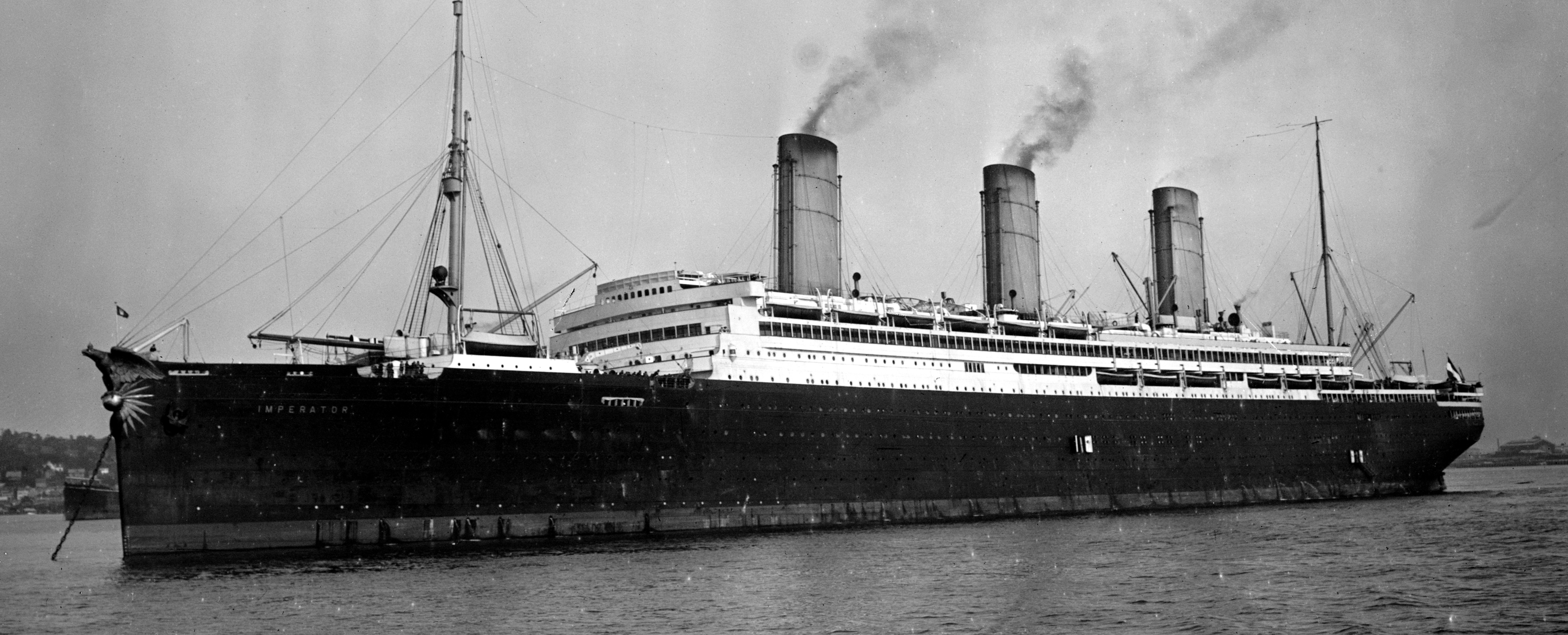
The first ship of the trio established the public grammar of the class: enormous scale, assertive presentation, and a clear place within the prestige culture of the Atlantic express trade.
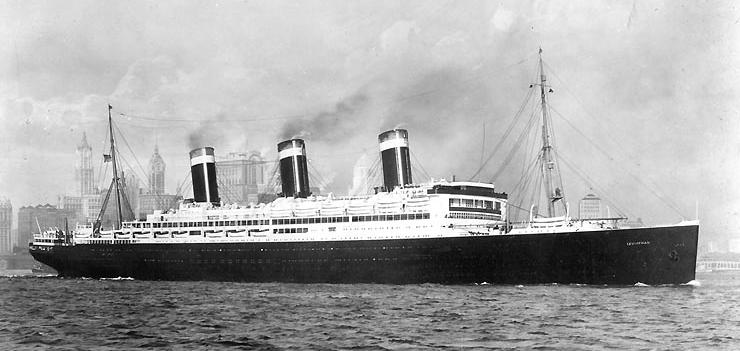
Vaterland carried the same ambition further. The class now appeared not as an isolated flagship, but as a broader and more systematic German answer to the era’s great liner rivalry.
Although war interrupted the class before its full peacetime meaning could settle, the three-ship logic was already visible: continuity of scale, visual authority, and coordinated prestige.
The First World War interrupted the class at the level of ownership, nationality, and service purpose. What had been conceived as a Hamburg America system would no longer continue in a purely German commercial frame.
Imperator became Berengaria, Vaterland became Leviathan, and Bismarck became Majestic. The identities changed, but the shared foundations of the class remained legible beneath the new branding.
Under new operators, each ship acquired its own narrative. This collection reverses that tendency by recovering the original class relationship and the common design argument that linked them.
One productive way to read the Imperator class is to treat later names as overlays and the original trio as the deeper structure: three ships, one prestige program, and a class identity that survived political rupture more clearly than it first appears.
Extends this class study into the broader pattern of liners whose identities were reassigned by war and postwar settlement.
Places the class within the wider culture of Atlantic prestige, escalation in size, and national competition at sea.
Helps situate Hamburg America’s class strategy within the broader institutional rivalry of the North Atlantic liner world.
Useful for comparing prestige presentation with the deeper structural logic that allowed these ships to function at immense scale.
Read Imperator as the first full statement of the class: a ship whose scale, image, and presence announced the system that the later sisters would extend.
Open ship guideRead Leviathan as the American afterlife of Vaterland: not a separate beginning, but a displaced continuation of the class under a new flag and service identity.
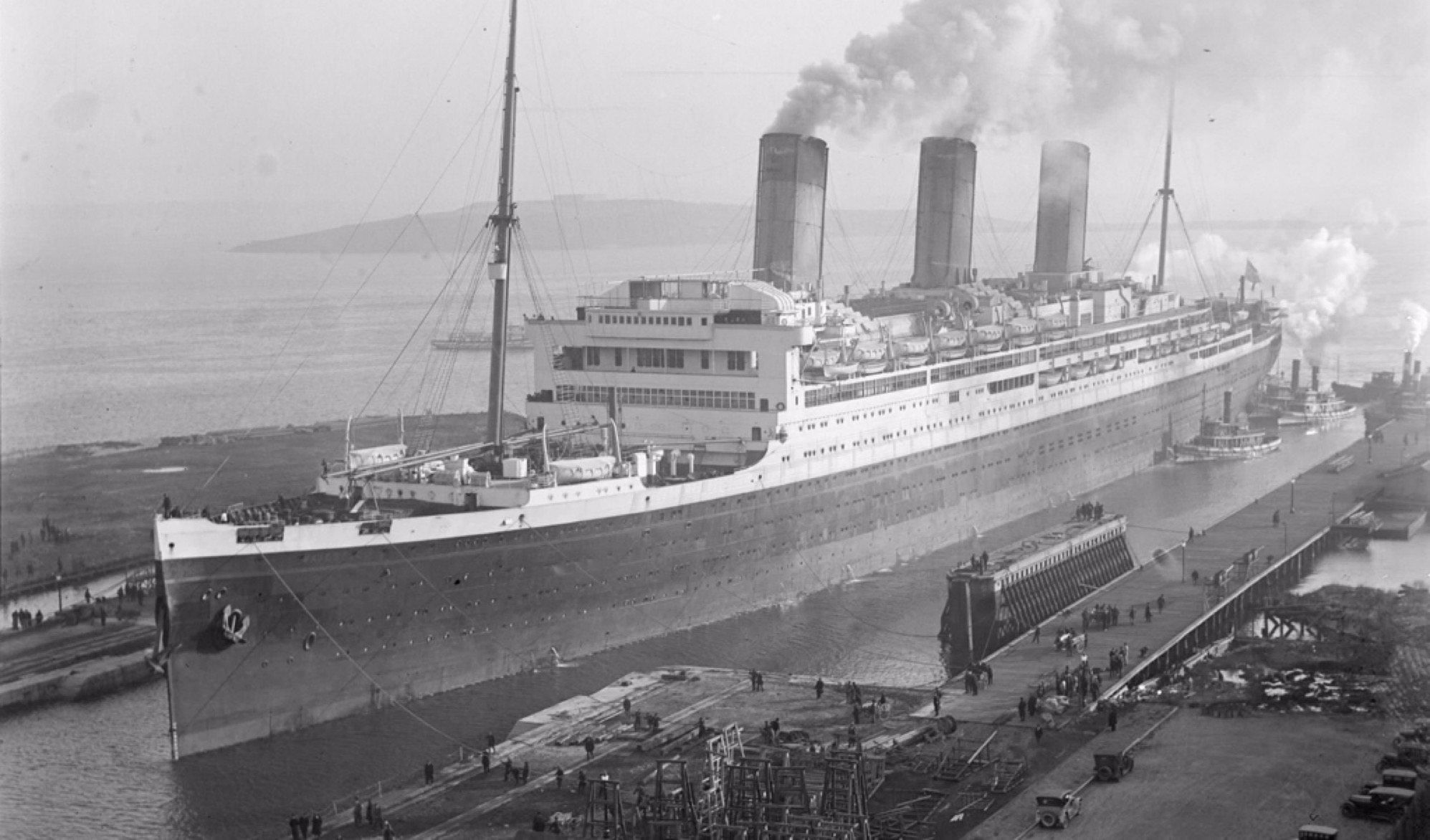
Open ship guideRead Majestic as the British afterlife of Bismarck, where the class reached service under a different institutional and symbolic frame than originally intended.
Open ship guide