Research Collections
These collections are designed as broader historical pathways through the ocean liner world: not just one ship at a time, but groups, themes, transitions, and recurring patterns that make the larger story easier to see.
Explore prestige races, migration-era traffic, interwar ambitions, line-specific groupings, and the wider shifts that shaped passenger shipping across more than a century.
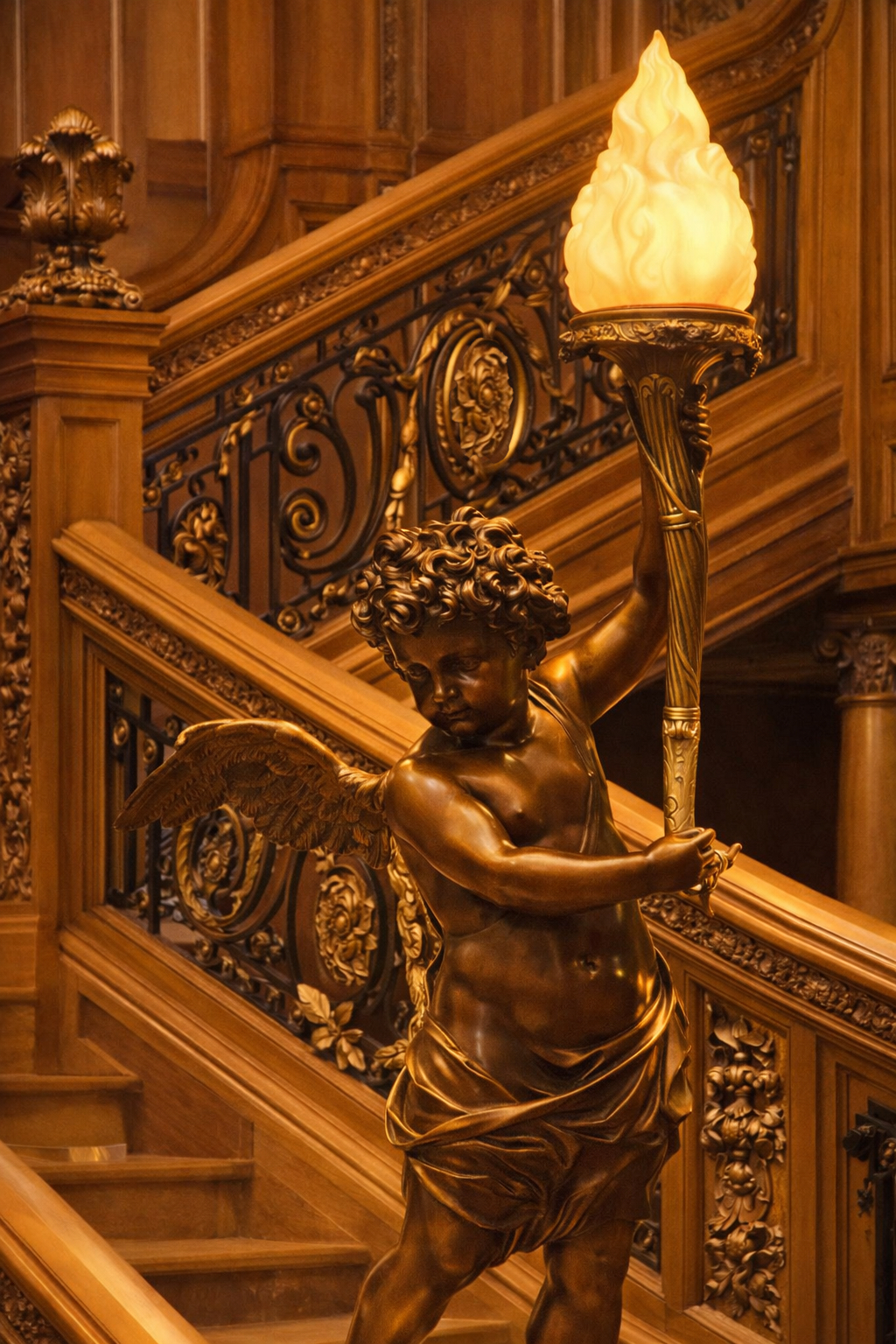
A wider frame for liner history
Research Collections are built for readers who want context: rivalries, eras, ship families, design change, technological shifts, and the long historical arcs behind individual vessels.
★
A better way to see patterns across ships and eras
A single ship guide can tell you a great deal. A research collection shows how ships relate to one another: by route, prestige, chronology, function, national identity, design language, or shared historical change.
★
Choose a historical route
Start with speed, migration, prestige, line identity, or historical transition. Each collection is meant to function as a doorway into a larger interpretive landscape.
Record-breaking Atlantic crossings and the competitive pursuit of speed prestige.
Open collectionMedium-scale ships rebuilding regular passenger networks after the First World War.
Open collectionThe great passenger and mail routes beyond the North Atlantic—services to Australia, India, Africa, and the wider imperial world.
Open collectionThe great French liners that projected national elegance, design identity, and Atlantic prestige.
Open collectionFlagship programs of Kaiser-era ambition through interwar revival.
Open collectionThe passenger ships of the great migration era, when North Atlantic liners carried millions of emigrants, migrants, and hopeful arrivals between Europe and North America.
Open collectionShips whose identities shifted through transfer, reconstruction, refit, reparations, or rebranding—liners that remind us a vessel’s name was often only one chapter in a longer life.
Open collectionPassenger liners whose careers ended early or were sharply redirected by disaster, war, collision, fire, grounding, or abrupt structural change.
Open collectionThe White Star trio that defined scale, prestige, and tragedy in the pre-war Atlantic world.
Open collectionThe formative decades in which the modern passenger ship emerged: scheduled steam crossings, hull innovation, propulsion change, and the early vessels that transformed ocean travel from experiment into system.
Open collectionThe last phase of the great express liner tradition: the years when speed, glamour, and prestige still mattered, even as the jet age and changing economics made their world increasingly unsustainable.
Open collectionThe brief but dramatic escalation in passenger-ship size and ambition before the First World War, when competing lines pushed toward ever larger and more symbolically charged superliners.
Open collectionThe widening of passenger access at sea: tourist third cabin, cabin class reform, and the gradual movement away from rigid old hierarchies.
Open collectionThe great White Star quartet, Adriatic, Baltic, Cedric and Celtic.
Open collection★
Three good ways to begin
Not every reader arrives with the same kind of curiosity. These are three especially useful entry methods.
Start with a theme
If you are more interested in broad history than a single vessel, begin with a collection such as Blue Riband Era, German Prestige Liners, or Tourist Third Cabin / Democratization. These pages are especially good for understanding how prestige, class, migration, and technology interacted over time.
- Best for seeing patterns across multiple ships
- Useful when one vessel is not enough context
- Ideal for broader historical browsing
Then go narrower
Once a collection gives you a frame, you can move into the individual ship guides with a much clearer sense of why each ship mattered, how it fit its route or era, and what larger developments it represented.
★
Take the wider historical route
Research Collections work best when you want more than a list of ships. They are meant to help the bigger picture come into view.
Built for readers who want context, not just names
Whether you are interested in speed rivalry, migration traffic, prestige fleets, changing class structures, or the long transformation of passenger shipping, these collections are designed to make the larger history easier to navigate.